
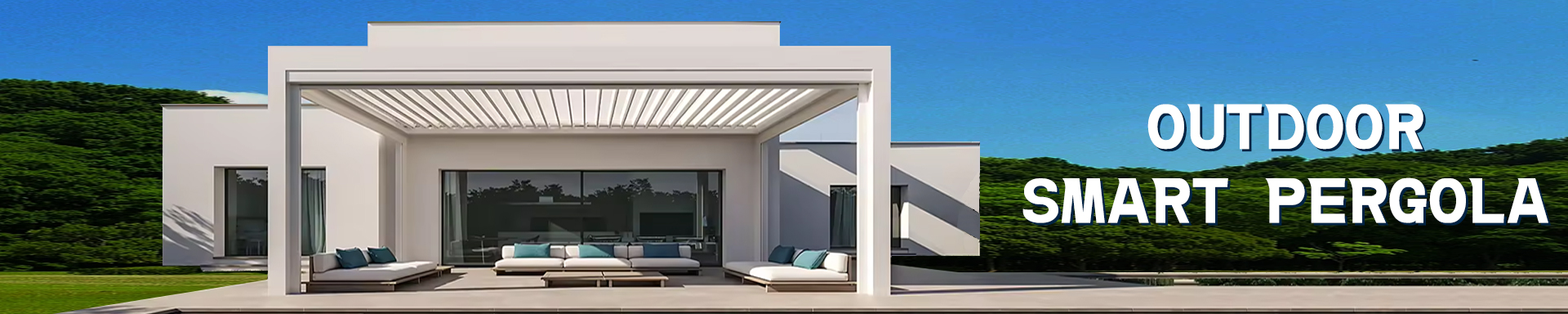
1. Factors Affecting Custom Aluminum Pergola Cost
The cost of a custom Aluminum Pergola depends on several critical factors, each impacting the final price differently. Homeowners often assume the price is fixed, but understanding these elements can help you make smarter choices and avoid overspending.
1.1 Material Quality and Finish Options
The first thing that drives cost is the quality of aluminum used. High-grade 6061-T6 aluminum frames are stronger and more corrosion-resistant, but they come at a premium compared to standard 6063 alloys. Powder coating options also play a role: matte finishes tend to cost slightly more than gloss finishes due to additional labor in surface preparation.
For example, a custom Aluminum pergola house installed in a coastal area may require marine-grade powder coating to withstand salt air, which can add 15–25% to the total cost. Choosing a high-quality finish ensures long-term durability, reducing future maintenance expenses.
1.2 Size and Dimensions of the Pergola
Size directly correlates with cost. The larger the pergola, the more materials and labor are required. Standard small patios (10x10 ft) might cost $2,500–$4,000, while large decks (20x20 ft) can exceed $10,000.
| Pergola Size | Estimated Material Cost | Labor Cost | Total Estimated Cost |
|---|---|---|---|
| 10x10 ft | $1,200–$1,800 | $1,300–$2,200 | $2,500–$4,000 |
| 15x15 ft | $2,000–$3,000 | $1,800–$2,500 | $3,800–$5,500 |
| 20x20 ft | $3,500–$5,000 | $3,000–$5,000 | $6,500–$10,000 |
This table highlights how both material and labor scale with size, making it one of the most predictable cost factors. Custom dimensions outside these standard ranges will also require bespoke cutting and welding, increasing expenses.
1.3 Roof Style: Fixed vs Retractable
The type of roof you choose affects cost significantly. A fixed aluminum roof is simpler to install, generally cheaper, and requires less maintenance. On the other hand, retractable or motorized roofs, such as a Aluminum motorized pergola, offer flexibility to control sunlight and ventilation, but the automation mechanism adds $1,500–$3,000 to the total price.
A retractable roof system also involves electrical wiring and occasional servicing, so you should account for both upfront costs and long-term operational expenses. For homeowners who enjoy outdoor entertaining, this extra investment can be justified.
1.4 Design Complexity and Custom Features
Custom features like integrated lighting, planters, or decorative trims can drastically increase the price. Complex designs require precise fabrication, which increases labor hours. For instance, a pergola with a curved beam structure or unique lattice patterns can add 20–40% to the baseline cost.
Additional options such as motorized shades, smart sensors, or modern gazebo elements like a Aluminum Modern Gazebo not only enhance aesthetics but also affect total expenditure. Planning these features early can help manage the budget effectively.
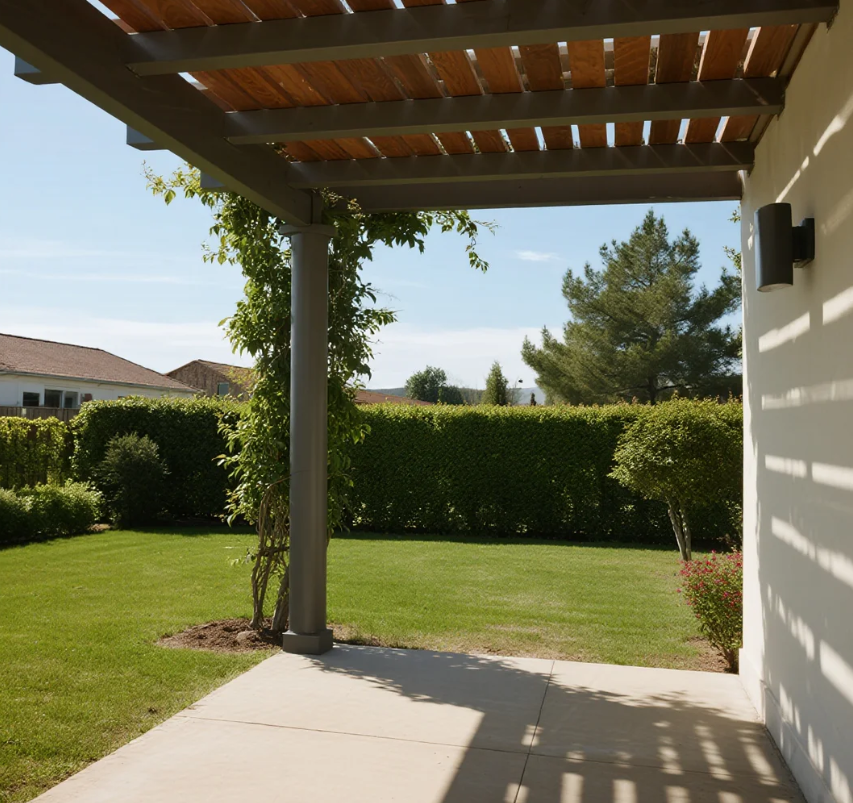
2. Average Price Ranges for Custom Aluminum Pergolas
Understanding the average price ranges for a custom Aluminum Pergola helps homeowners plan budgets accurately. Costs vary depending on size, materials, and features, so knowing these ranges can prevent surprises during installation.
2.1 Small Patio Pergolas
Small patio pergolas, typically 10x10 to 12x12 feet, are ideal for compact backyards or terraces. Material and labor costs for these structures generally range between $2,500 and $4,000. Factors influencing the cost include:
-
Frame Material: Higher-grade aluminum alloys like 6061-T6 increase durability but add 20–30% to the base price.
-
Finish Options: Matte or textured powder coatings designed for UV and corrosion resistance may cost extra.
-
Roof Style: Fixed aluminum roofs are standard, whereas a small automated shade system, like a Aluminum automated pergola, can add $1,000–$1,500.
For homeowners seeking an aluminum patio cover for intimate spaces, these small units provide both affordability and stylish protection. Installation typically involves 3 main steps: leveling the site, assembling the frame, and securing the roof panels with hardware. Each step requires precision to avoid structural issues.
2.2 Medium-Sized Pergolas
Medium-sized pergolas, ranging from 15x15 to 18x18 feet, are popular for entertaining areas or connecting patios to gardens. Total costs generally fall between $4,500 and $7,500, depending on added features.
-
Material Usage: More aluminum beams and crossbars increase both weight and cost.
-
Optional Features: Integrated LED lighting, planter boxes, or adjustable louvers can add $800–$2,000.
-
Labor Complexity: Medium-sized pergolas often require 2–3 technicians working 1–2 days for assembly and alignment.
Example Cost Breakdown for Medium Pergola:
| Component | Estimated Cost |
|---|---|
| Aluminum Frame | $2,500–$3,500 |
| Roof Panels / Louvers | $800–$1,500 |
| Additional Features | $800–$2,000 |
| Labor | $1,200–$2,000 |
| Total | $4,500–$7,500 |
These pergolas strike a balance between usability and aesthetics. For a modern backyard, homeowners often combine them with retractable covers or a Aluminum Modern Gazebo style roof for a more luxurious feel.
2.3 Large or Luxury Pergolas
Large-scale pergolas, exceeding 20x20 feet, are premium structures designed for estates, poolside areas, or commercial patios. Costs generally start at $8,000 and can exceed $15,000, depending on customization.
Key factors affecting costs include:
-
Structural Reinforcements: Larger spans require thicker aluminum beams or cross-bracing, which significantly increase material costs.
-
Advanced Features: Motorized retractable roofs, weather sensors, and integrated sound or lighting systems can add $2,000–$5,000.
-
Site Preparation: Uneven terrain may require concrete footings, leveling, or drainage improvements, which could add $500–$1,500.
Installation Steps for Large Pergolas:
-
Survey the site and plan the foundation layout.
-
Pour concrete footings and ensure proper curing.
-
Assemble main frame sections, ensuring all joints align precisely.
-
Install roof panels or motorized louvers.
-
Connect electrical systems for automated features and lighting.
Large pergolas provide outdoor living spaces with high functionality and aesthetics, making them a long-term investment. When planning a luxury setup, consider a combination of retractable features, modern aluminum accents, and integrated amenities to maximize both comfort and property value.
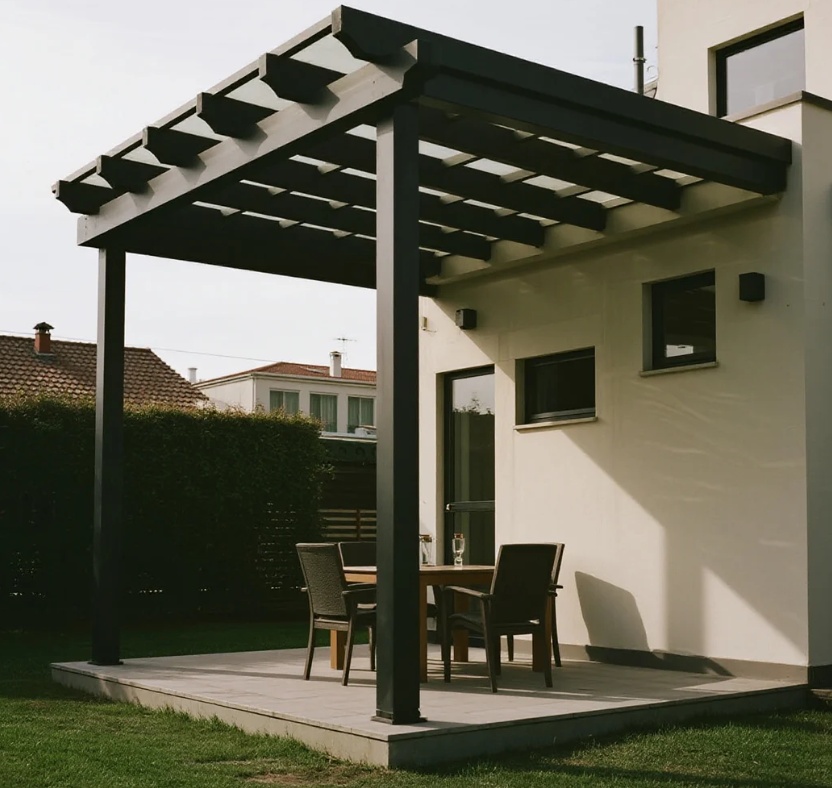
3. Installation Costs
Installing a custom Aluminum Pergola involves several cost components beyond the materials themselves. Understanding these expenses upfront can help homeowners budget effectively and decide between DIY and professional installation.
3.1 DIY Installation vs Professional Installation
Homeowners often weigh the option of installing a pergola themselves against hiring professionals. DIY installation can save money but comes with time and skill requirements. A typical DIY setup for a medium-sized pergola may take 2–4 days with 2 people, covering:
-
Site leveling and marking post locations
-
Assembling aluminum frames and crossbars
-
Securing roof panels or louvers with proper fasteners
Even with experience, mistakes during alignment or securing panels can lead to structural issues or additional costs. On the other hand, professional installation ensures proper assembly, alignment, and safety compliance. Labor rates generally range from $50 to $120 per hour, depending on experience and complexity.
For homeowners considering a Aluminum motorized pergola or automated louvers, professional installation is often recommended because integrating electrical systems and motors requires precision. Choosing the right installation method directly impacts long-term durability and performance.
3.2 Labor Rates by Region
Labor costs vary widely depending on geographic location and demand. For example:
| Region | Average Labor Cost per Hour | Typical Installation Duration | Estimated Total Labor Cost |
|---|---|---|---|
| Urban Areas | $80–$120 | 1–2 days | $800–$2,000 |
| Suburban Areas | $60–$90 | 1–2 days | $600–$1,800 |
| Rural Areas | $50–$75 | 2 days | $500–$1,200 |
These numbers show that even identical pergolas can cost significantly more depending on local labor rates. Budgeting with regional differences in mind can prevent surprises and allow for more accurate project planning.
3.3 Additional Site Preparation Costs
Site preparation can make up a significant portion of installation expenses, especially for large or uneven plots. Common preparation steps include:
-
Leveling the ground: Uneven terrain may require excavation or fill, adding $300–$800.
-
Footings and concrete pads: Heavy aluminum frames need solid foundations; costs range from $150–$300 per footing.
-
Drainage adjustments: Proper water runoff ensures longevity, adding $100–$400 if minor grading or channeling is required.
-
Removing obstacles: Trees, shrubs, or rocks in the planned area may require additional labor, $200–$600 depending on complexity.
Proper site preparation ensures the pergola remains stable, secure, and visually aligned with your outdoor space. Homeowners who skip these steps risk misaligned frames or uneven roofs, which could lead to maintenance issues or costly repairs.
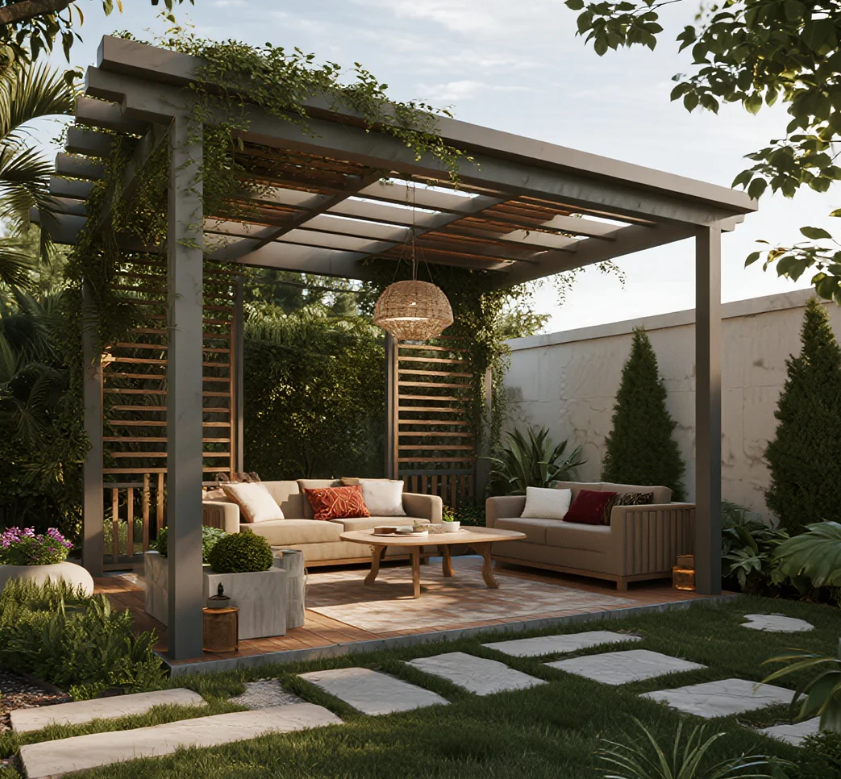
4. Cost of Optional Features
Optional features can significantly influence the total expense of a custom Aluminum Pergola. While the base structure provides shade and style, these additions enhance functionality, comfort, and aesthetic appeal. Understanding the costs upfront ensures homeowners make informed decisions without overspending.
4.1 Lighting and Electrical Add-ons
Adding integrated lighting or electrical components transforms a pergola into a fully functional outdoor living space. Costs vary depending on complexity and technology:
-
LED Strip or Spotlights: Installing energy-efficient LED strips along beams or posts typically ranges from $200 to $600.
-
Recessed Lighting or Pendant Fixtures: Adds $500–$1,200, depending on wiring complexity.
-
Electrical Outlets and Automation: For motorized pergolas or smart lighting, adding outlets and wiring can cost $300–$700.
Homeowners opting for advanced setups like a smart automated pergola system benefit from programmable lighting scenes and energy savings, making the extra investment worthwhile. These upgrades integrate seamlessly with existing structures, and careful planning ensures no visual clutter.
4.2 Built-in Seating or Planters
Custom seating or planter boxes not only enhance usability but also increase material and labor costs. Examples include:
-
Bench Seating along Perimeter: Costs $400–$1,000 depending on length and material.
-
Integrated Planters for Climbers or Shrubs: Ranges from $250 to $700 per planter box.
-
Combination Units: Seating with built-in planters can cost $1,000–$2,000, including waterproofing and finishing.
These features create a cohesive look while providing functional space for entertaining or gardening, making the pergola more versatile. When designing these elements, ensure weight distribution is calculated so the aluminum frame remains stable and durable.
4.3 Weatherproofing and Coatings
Protective coatings and weatherproofing extend the lifespan of your pergola, especially in areas exposed to sun, rain, or coastal conditions. Costs depend on the type of treatment:
-
Powder Coating for UV and Corrosion Resistance: Adds $300–$800 based on size.
-
Waterproof Roof Panels or Retractable Covers: Adds $500–$1,500, depending on material and complexity.
-
Additional Sealants or Protective Films: Ranges from $100–$300 for small areas or touch-ups.
For homeowners in humid or coastal regions, these protective measures prevent oxidation and discoloration, ensuring long-term performance. Proper application involves:
-
Cleaning and preparing all aluminum surfaces
-
Applying primer or base coat
-
Powder coating or sealing as required
-
Inspecting for uniform coverage and curing time
Optional features are investments that not only enhance comfort but also maintain the structure’s value over time. Homeowners who plan these elements carefully avoid costly retrofits and enjoy a fully functional, visually appealing outdoor space.

5. Tips to Optimize Cost Without Compromising Quality
Even when planning a premium Aluminum Pergola, there are smart ways to manage costs without sacrificing durability or style. Understanding cost drivers and making strategic choices allows homeowners to achieve high-quality outdoor spaces within budget.
5.1 Choosing Standard Sizes vs Fully Custom
Opting for standard dimensions instead of fully custom measurements can reduce both material waste and labor hours. Standard sizes typically use pre-cut beams and panels, which:
-
Reduce fabrication costs by 15–25%
-
Simplify assembly, decreasing labor time by 1–2 days
-
Lower shipping or transport expenses
For homeowners with moderately sized patios or decks, selecting a standard size aluminum pergola often provides a balance between cost and visual impact. Fully custom dimensions, while highly flexible, introduce additional cutting, welding, and alignment steps that drive up overall expenses.
5.2 Selecting Cost-Effective Materials
Material choice is a major factor in cost optimization. While high-grade 6061-T6 aluminum offers superior corrosion resistance, homeowners can save by:
-
Using 6063 alloys for non-critical sections, reducing material costs by 10–20%
-
Choosing durable powder-coated finishes instead of premium textured coatings
-
Selecting standard roof panels rather than fully automated or retractable systems
Strategic selection ensures longevity without unnecessary premium features. For instance, integrating a small number of automated panels or a motorized section, instead of the entire roof, allows some tech benefits while keeping costs reasonable.
5.3 Combining Features Strategically
Maximizing value often comes down to how additional features are combined. Homeowners can:
-
Prioritize high-impact upgrades like lighting or weatherproofing first
-
Defer lower-priority additions such as built-in planters or decorative trims
-
Bundle multiple features in one installation to reduce labor markup
For example, pairing a retractable shade system with integrated LED lighting in the same installation can reduce labor by 15–20%, compared to installing each feature separately. This approach ensures functional and aesthetic benefits without inflating costs unnecessarily.
By planning strategically and prioritizing essential features, homeowners can enjoy a fully functional aluminum pergola that looks premium while remaining budget-conscious. Investing in thoughtful design choices upfront prevents costly changes later and ensures long-term satisfaction.